Intl. construction expo: A showcase of resilience, untapped cooperative potential
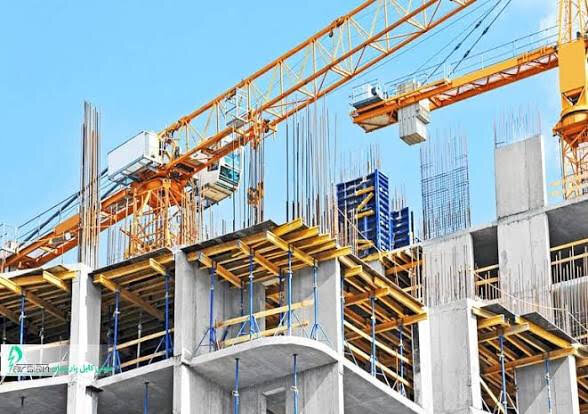
TEHRAN- The 26th International Exhibition of the Construction Industry was held during August 18-21 in various sectors, including building materials, equipment and machinery, doors and windows, elevators and escalators, mechanical and electrical installations, smart systems, safety equipment, architecture and modern designs, and knowledge-based products.
The exhibition was held in 20 halls and part of the open spaces of Tehran International Exhibition Center, organized by the Iran Chamber of Cooperatives.
As reported, over 600 domestic and foreign companies participated in this International event.
The head of Iran's Cooperative Chamber announced that organizers of the exhibition reported approximately $800 million in export contracts were signed at the previous edition of the event, and it is expected that this year will also provide a suitable capacity for expanding trade interactions and exporting domestic products.
Also, Fatemeh Mohajerani, the government spokesperson, stated on the sidelines of her visit to the exhibition: "The more actively the private and cooperative sectors can play a role in production and business, the smoother the path to economic growth will be."
The government spokesperson described the cooperative sector as inherently people-oriented and said: "The private sector is a strategic partner of the government, and we welcome its growth. Now that the country needs to utilize all capacities, the cooperative capacity must be harnessed, and we in the government are prepared to do so."
Mohajerani emphasized: "The Cooperative Chamber is a well-established and deeply-rooted institution, and the most important message that should emerge from this exhibition is that despite all pressures, the private sector remains steadfast and continues striving to meet the needs of all segments of society."
* More effective utilization of cooperative capacity in supplying essential goods, border economy required
During this visit, the head of Iran's Cooperative Chamber met with the government spokesperson and reported on the increased presence of manufacturers, knowledge-based companies, and foreign guests at the 26th Building Industry Exhibition. He stressed the necessity of more effectively utilizing the neglected capacities of cooperatives in supplying essential goods, market regulation, transportation networks, and border economy.
During the government spokesperson's tour of the exhibition, the Cooperative Chamber chief presented a report on the status of cooperative activities across the country.
Referring to the broader presence of domestic manufacturers, knowledge-based companies, renewable energy sector activists, and foreign trade delegations at this year's exhibition, he compared it to the previous edition and stated: "This year's exhibition was far better than last year—both in terms of manufacturer participation and the number of foreign guests, as well as visitor turnout."
According to the Cooperative Chamber head, the building industry exhibition not only showcases products and services related to this sector but also provides a platform for direct connections among manufacturers, investors, mass builders, and foreign market players.
Abdollahi added: "Despite the country's conditions and numerous difficulties, we decided to hold the exhibition, believing there is no reason for national activities to cease. Following this period, Iran's Cooperative Chamber is the first organization to voluntarily host an exhibition, and we wanted to convey the message that the country is in a state of stability and economic actors continue their work. We are grateful that our colleagues' efforts in this edition bore fruit, and aside from domestic reception, international and global reflection was also positive."
* Effective role of construction industry exhibition in developing export markets
The head of Iran's Cooperative Chamber continued: "In the past two days, numerous B2B meetings were held with foreign guests and participants, which can help introduce the capabilities of Iranian manufacturers and develop export markets."
Referring to the exhibition's focus on knowledge-based companies and renewable energy, he said: "A significant portion of this year's exhibition space was dedicated to knowledge-based companies and energy sector activists, and two axes were particularly pursued. First, the presence of knowledge-based companies, which participated prominently with support in costs and placement; second, the field of new and renewable energy, especially solar energy."
Abdollahi also noted the participation of companies involved in clean energy technologies and said: "Introducing new achievements in this field can be effective in developing energy infrastructure and reducing dependence on traditional sources."
Alongside the exhibition section, specialized panels related to housing were also held. Topics such as public housing development, rental housing, and professional leasing were examined with representatives from the Ministry of Transport and Urban Development, Bank Maskan, builders, and activists from the cooperative and private sectors.
He also reported on export contracts signed during the exhibition and said: "Organizers announced that in the previous edition, approximately $800 million in export contracts were signed at this event, and it is expected that this year will also provide suitable capacity for expanding trade interactions and exporting domestic products."
Emphasis on the neglected capacity of the cooperative sector was another focal point of the Cooperative Chamber chief's remarks, and referring to Article 44 of the Constitution, he described cooperatives as one of the pillars of the national economy.
The head of Iran's Cooperative Chamber continued: "Despite the vastness of this sector, its neglected capacities are not fully utilized in many policies and implementation programs. According to statistics, over 18 million people in the country are cooperative members, and more than 30 million benefit from cooperative services. Additionally, approximately 105,000 active cooperatives operate in various fields including agriculture, industry, mining, services, healthcare, transportation, and distribution."
Abdollahi further rejected the notion that cooperatives are only active in housing and consumer sectors, stating: "Cooperatives play a role in important areas such as agricultural production, fisheries, transportation, healthcare, and goods distribution; however, these capabilities are still not properly reflected in executive decision-making. We currently have a vast network of distribution cooperatives and essential goods supply that can be harnessed."
Referring to over 4,500 consumer cooperative stores, he described this network as one of the largest goods distribution capacities in the country and emphasized: "Entrusting a greater portion of the essential goods distribution process to cooperative networks can help increase transparency, strengthen oversight, and reduce intermediation."
Abdollahi added: "The cooperative structure, due to its membership-based nature and accountability to members, has suitable capacity for cooperation with executive bodies."
The head of Iran's Cooperative Chamber also pointed to the significant capacity of border cooperatives, describing it as a foundation for linking local economy and sustainable security in the country.
He also said: "According to available statistics, 453 border cooperatives operate in 17 border provinces, with approximately 7 million residents of border areas being members of these cooperatives. These cooperatives exported about $2.3 billion last year and can play a more prominent role in meeting the needs of border provinces, developing legal trade, and strengthening local employment."
The official emphasized: "Supporting the livelihoods of border residents is not merely an economic issue; by preventing migration, reducing marginalization, and maintaining the vitality of border regions, it can also have significant social and security implications."
It is worth noting that during this visit, Mohajerani toured various exhibition halls and booths of domestic and foreign companies, engaging in dialogue with building industry activists about production capacities, new technologies, and the role of this industry in the country's economic development.
This year's Construction Industry Exhibition was not merely a commercial event for displaying construction products; it became a platform for raising broader issues including export development, the presence of knowledge-based companies, renewable energy, smart housing, and the effective role of cooperatives in the national economy.
What was most emphasized at this event was the necessity of transforming the actual capacities of the cooperative sector into a more effective role in production, distribution, trade, and border area development policies—a capacity that activists in this field believe, with greater attention and support, could become one of the key pillars of economic growth and public participation in the economy.
EF/MA
Leave a Comment